08 May 2026
LEED circle 2026
Returning from GBCI Europe LEED Circle in Milan, one thought has stayed with me:
What does truly sustainable development actually mean?
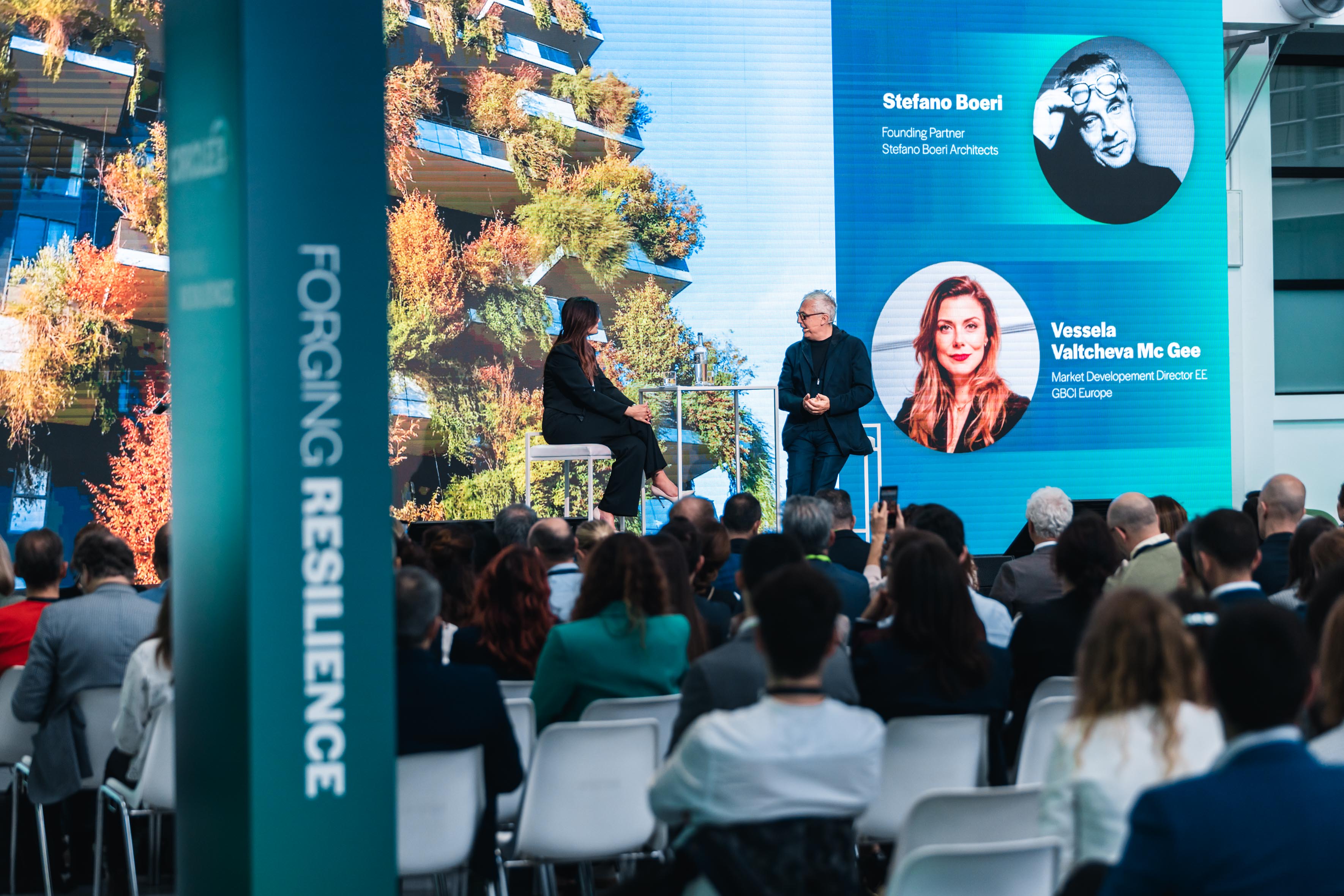
One of the highlights of the event was the opportunity to hear directly from the architect behind the iconic “Bosco Verticale”, a project that has become a global symbol of green architecture and urban innovation.
Hearing the story behind its development was fascinating. The vision, technical complexity, and ambition behind integrating nature into a high-rise residential building are undeniably impressive. The project has created habitat for species within the city, while the wider “Porta Nuova” district prioritises pedestrians and cyclists over cars, redefining how urban space can function.
Later, during the architectural tour of the district, we were also presented with a more critical perspective.
The “vertical forest” requires extremely specialised and costly maintenance, carried out by the so-called “flying gardeners.” Every tree and plant was structurally calculated as part of the building design, meaning growth must remain within predefined limits. Even the seasonal colour composition of the vegetation was carefully designed from the beginning.
It raises interesting questions about adaptability and user autonomy in highly controlled sustainable design approaches.
At the same time, another point struck me even more deeply. Our guide mentioned that nearly 500.000 former residents of Milan have gradually moved outside these regenerated districts, because they can no longer afford to live there.
And that leads to a difficult but important question:
Can sustainability truly be called sustainable if it is only accessible to the wealthy?
As our industry pushes forward with innovation, certifications, resilience strategies, and ambitious ESG goals, perhaps we also need to ensure that social inclusiveness and affordability remain part of the conversation.
Because ultimately, sustainable cities should work not only environmentally — but socially as well.
Gallery